
Unlocking Precision: How Copper Blocks Enhance Mould Base Performance
In the world of manufacturing and precision engineering, the quest for efficiency and accuracy is never-ending. One underappreciated hero in this story is the mould base, particularly when enhanced with copper blocks. But why is copper so crucial in this context? Let's dive deep into the details and unlock the full potential of copper blocks in mould bases.
The Role of Mould Bases in Manufacturing
Mould bases are foundational elements in manufacturing that support the entire mould system. They not only hold the mould but also play a critical role in heat transfer and material cooling, which directly affects the quality of the end product.
Understanding Copper Blocks
Copper blocks are increasingly recognized for their properties, which include excellent thermal conductivity, corrosion resistance, and durability. These attributes make them ideal for use in mould bases, leading to improved performance and efficiency.
Why Choose Copper? The Superiority of Deoxide Copper
Among the types of copper materials available, Deoxide Copper stands out. This copper variant has undergone a unique process to eliminate oxides, leading to enhanced properties. Let’s take a closer look at some benefits:
- High thermal conductivity
- Improved mechanical properties
- Resistance to oxidation and corrosion
Key Benefits of Using Copper Blocks in Mould Bases
Integrating copper blocks into mould bases can lead to several transformative benefits:
- Enhanced Heat Transfer - Copper's superior thermal conductivity ensures even heat distribution.
- Reduced Cycle Times - Faster heating and cooling result in reduced production times.
- Precision Manufacturing - Improved temperature control leads to higher-quality products.
- Longer Lifespan - Copper's durability contributes to the longevity of the mould.
The Science Behind a 1 mm Thick Copper Plate
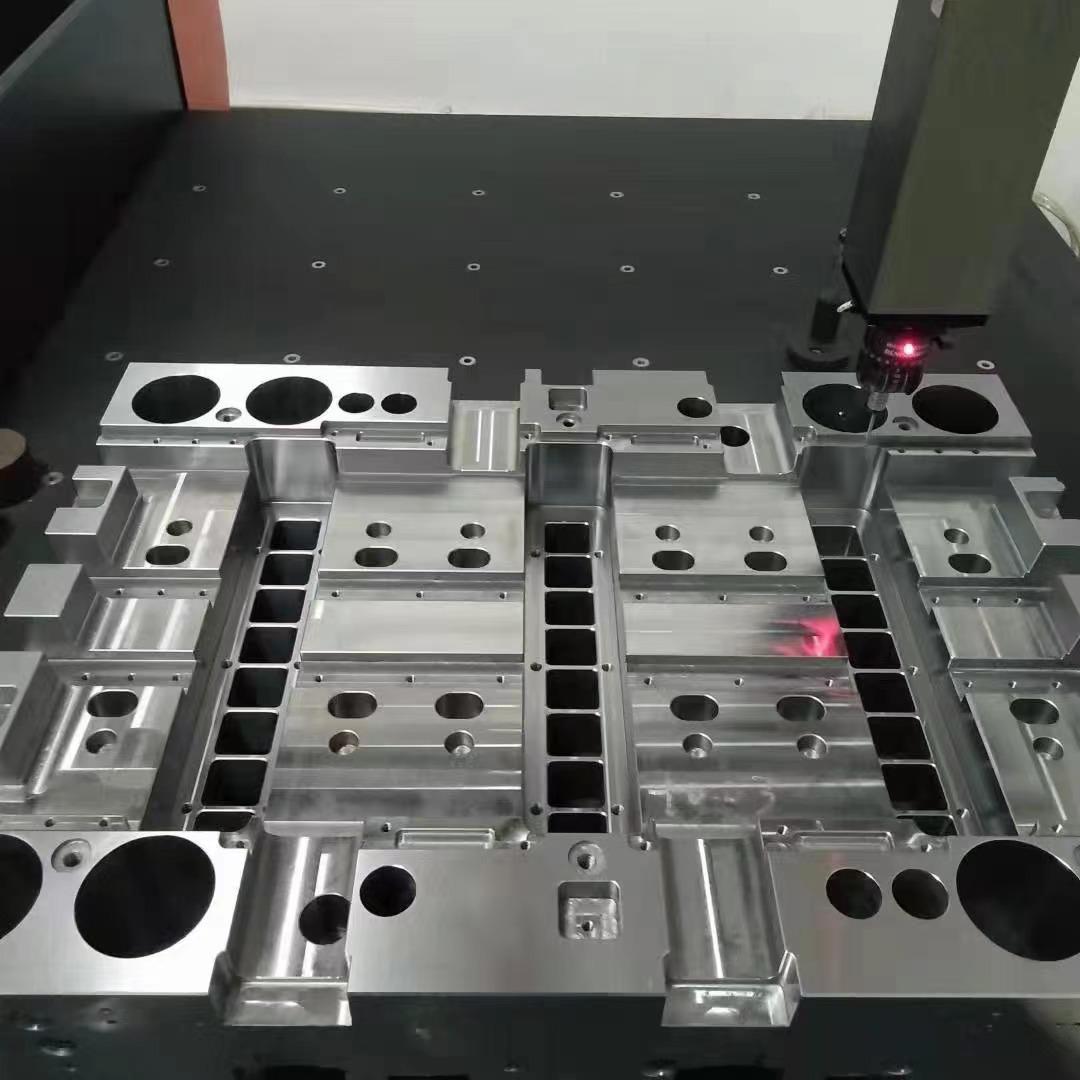
Using an a 1 mm thick copper plate in mould bases creates a remarkable balance between weight and performance. This thickness ensures it conducts heat effectively while remaining manageable for operators. It's essential to consider how such dimensions can influence operation.
| Property | Copper Block | Other Materials |
|---|---|---|
| Thermal Conductivity | 400 W/mK | 100-200 W/mK |
| Weight | High | Variable |
| Corrosion Resistance | Excellent | Variable |
Cost vs. Benefit Analysis of Copper Blocks
While the initial investment for copper blocks might be higher than plastic or aluminium alternatives, the long-term benefits are undeniable. They save money by:
- Reducing energy costs through efficient heat transfer.
- Minimizing production defects due to better temperature control.
- Extending the lifespan of moulds, reducing replacement costs.
Challenges and Considerations
Transitioning to copper blocks does come with challenges. Factors such as weight, thermal expansion, and cost must be balanced against the potential performance gains. Proper training and understanding of handling copper are necessary.
Frequently Asked Questions
1. Are copper blocks suitable for all types of moulds?
Copper blocks work exceptionally well in high-precision applications but may not be necessary for simpler mould designs.
2. What maintenance is required for copper mould bases?
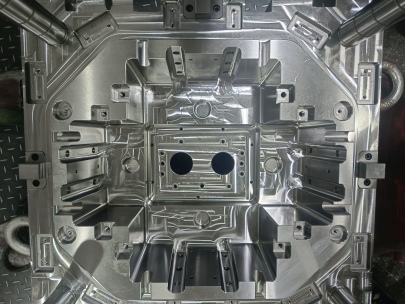
Regular inspections for wear and occasional cleaning to prevent oxidation are recommended.
3. Can copper blocks be combined with other materials in a mould base?
Yes, a hybrid approach can optimize performance by leveraging the strengths of different materials.
Future of Copper in Mould Design
As industries advance, the use of innovative materials like copper will become more prevalent. With ongoing research into the properties of Deoxide Copper, we can expect new applications and enhancements in mould technology.
Real-World Applications
Many industries are now taking advantage of copper blocks in their mould designs. For instance, the automotive and electronics sectors have reported improved production efficiencies and higher product quality.
Conclusion: The Copper Advantage in Mould Bases
In summary, using copper blocks—especially Deoxide Copper—in mould bases is a game-changer for manufacturers aiming for precision, efficiency, and durability. The benefits greatly outweigh the initial costs, and as more companies discover this, we can foresee a shift in mould design practices globally. Embracing copper technology could mean a brighter, more efficient future for manufacturing in Hong Kong and beyond!