
Unlocking Precision: How Die Base and Mold Steel Shape the Future of Manufacturing
In the fast-paced world of manufacturing, where precision meets innovation, the game is changing. With advancements in die base technology and mold steel, manufacturers are now on the brink of a new era. So, let’s dive deeper into how these elements are revolutionizing the industry and the nuances that can significantly affect your manufacturing processes.
The Role of Die Base in Manufacturing
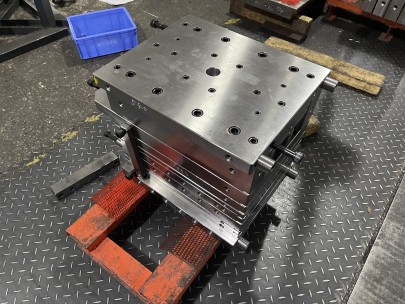
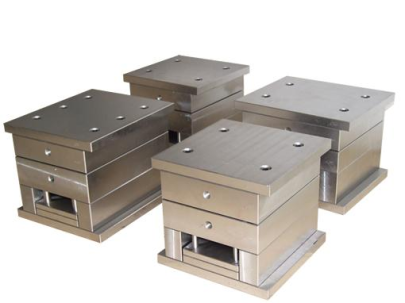
Die bases are the unsung heroes in the die-casting industry. They provide the foundation for molds, ensuring stability and precision. Without an effective die base, even the most advanced molds could fall short on performance.
- Stability: A robust die base supports the mold evenly, minimizing defects.
- Alignment: Proper alignment of the mold to the die base is crucial for accurate production.
- Durability: High-quality materials significantly enhance the lifespan of both the die and the base.
Key Materials Used in Die Bases
When it comes to constructing a die base, the materials chosen can make all the difference. Here are some commonly used materials:
| Material | Advantages | Common Uses |
|---|---|---|
| Steel | High strength, durability | General die-casting |
| Aluminum | Lightweight, excellent thermal conductivity | Small precision parts |
| Copper | Conductive, excellent wear resistance | Electrical components |
Mold Steel: The Backbone of Precision Casting
Once you've locked in your die base, the next step is selecting the right mold steel. Mold steel is vital for casting processes and directly affects the quality of the final product. Choosing the right steel can lead to significant improvements in your production efficiency.
- Hardness: Essential for longevity and consistent performance.
- Toughness: Allows the mold to withstand high pressures and temperatures.
- Corrosion Resistance: Ensures molds remain functional over time.
Types of Mold Steel
Different applications necessitate different types of mold steel. Here’s a breakdown:
| Type of Mold Steel | Features | Applications |
|---|---|---|
| P20 | Versatile, good polishability | Injection molds |
| S7 | Shock-resistant, great for heavy-duty | Die casting, stamping |
| C1 | High wear resistance, toughness | High precision molds |
Innovative Techniques: How to Copper Plate at Home
Now, you might wonder, “Why copper?" Well, copper plating can enhance mold performance and offer excellent durability to your die components. Here’s a simple guide on how to do it at home.
- Gather Materials: You’ll need a copper bar, vinegar, salt, and a power source.
- Prepare the Solution: Mix vinegar and salt to form a conductive solution.
- Set Up: Connect the copper bar to a power source and dip it into the solution.
- Plate the Item: Submerge the item you want to plate and wait for the reaction to occur.
Benefits of Home Copper Plating
You can achieve a significant boost in mold performance without the high costs associated with professional plating services. Some key benefits include:
- Cost-effective
- Customizable thickness
- Immediate results
Frequently Asked Questions (FAQ)
What is the lifespan of a die base?
Typically, a die base can last for several production cycles depending on the quality of materials and maintenance.
Is it worth investing in high-quality mold steel?
Absolutely! High-quality mold steel can significantly reduce production costs by extending mold lifespans and decreasing downtime due to maintenance.
Can I plate my die base with copper?
Yes, copper plating can enhance thermal conductivity and reduce wear, increasing your mold's lifespan.
Conclusion
As we sail into the future of manufacturing, the significance of die bases and mold steel cannot be overstated. They are integral to producing high-quality components with enhanced durability. By understanding their role and exploring innovative techniques like home copper plating, manufacturers can unlock new levels of precision and efficiency.
In a world where every detail counts, investing your time and resources in selecting the right materials like die bases and mold steel just might be the game-changer you’ve been seeking. So, keep innovating and watch as your manufacturing processes transform before your very eyes!