
Why Copper Bars are Essential for High-Quality Mould Base Manufacturing
When diving into the world of mould base manufacturing, one material stands out from the rest: copper bars. Their unique properties make them a favorite among manufacturers aiming for high standards in both quality and durability.
The Advantages of Using Copper Bars
- Excellent Conductivity: Copper is renowned for its excellent thermal and electrical conductivity, which makes it perfect for certain moulding applications.
- Corrosion Resistance: Its resistance to corrosion adds to its longevity and reliability in various environments.
- Ease of Machining: Copper bars can be easily shaped and resized without losing their intrinsic properties.
- Versatile Applications: They are versatile and can be used in several moulding processes across different industries.
Understanding Mould Bases
A mould base is the foundation upon which a mould is created. It’s the part that supports the entire structure, undergoing high pressure and heat during manufacturing. The choice of materials for a mould base is critical. A strong base ensures that the product produced is of consistent quality and can hold up under operational stresses.
Why Copper and Oak Bar Combinations are Ideal
Combining copper bars with oak can lead to outstanding results. The contrast in materials allows for perfet balance in weight and thermal properties. Oak’s strength and durability can complement copper’s excellent thermal capabilities, leading to enhanced overall performance.
How Copper Bars Facilitate High-Quality Mould Production
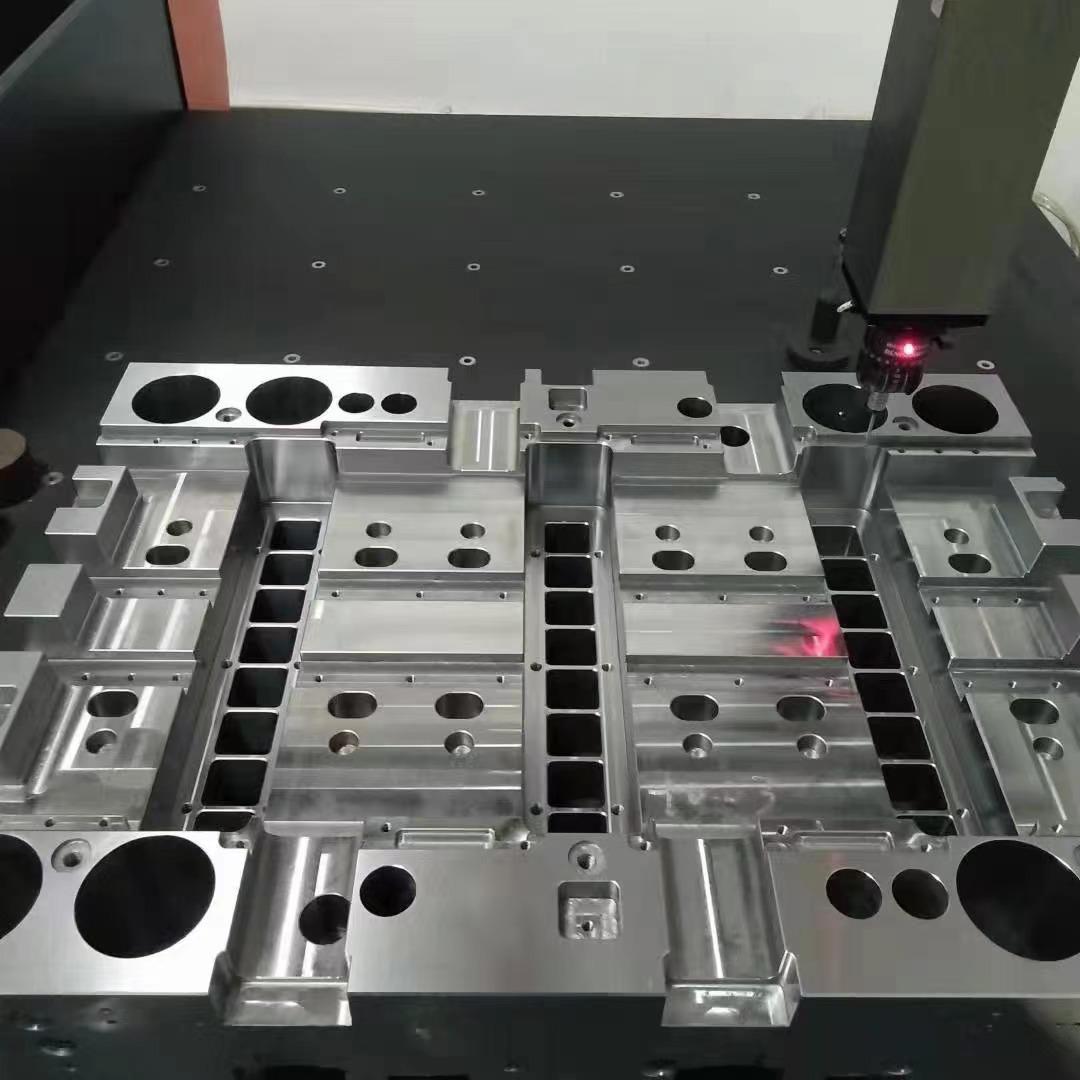
When engaging in how to make copper plates for moulds, the steps are crucial. The following table outlines key steps in the process:
| Step | Action |
|---|---|
| 1 | Choose high-quality copper bars. |
| 2 | Machine the copper bars to required dimensions. |
| 3 | Combine with other materials like oak as needed. |
| 4 | Test the copper mould for thermal efficiency. |
| 5 | Implement the mould in production. |
Key Considerations for Mould Base Manufacturing
- Quality Control: Regular inspections ensure the materials maintain their properties.
- Compatibility: Ensure that the copper bars mix well with other materials you might employ. Too many conflicting properties can weaken the structure.
- Temperature Management: Taking into account how temperature affects the materials used in your mould base can boost efficiency.
- End Use: Know what type of product you are making, as this can determine the best materials.
FAQ
Why use copper bars instead of aluminum or other materials?
Copper bars provide superior thermal conductivity and corrosion resistance, making them more suitable for specific applications in mould manufacturing.
Can copper bars be recycled?
Absolutely! Copper is one of the most recyclable materials available, which makes it an environmentally friendly choice.
How do I maintain copper bars used in moulds?
Regular cleaning and inspections will help maintain their performance. Avoid exposure to harsh chemicals, and ensure they are stored in a dry environment.
Conclusion
In the realm of high-quality mould base manufacturing, the significance of copper bars cannot be overstated. Their unique properties, when combined with other materials like oak, create mould bases that withstand the test of time. Investing in the right materials not only enhances the quality of production but also reflects a commitment to excellence. Choose wisely, and you'll find that the right mould base can elevate your manufacturing process to new heights!