
Unlocking Precision: How Mould Bases Are Revolutionizing Raw Copper Block Fabrication
The manufacturing industry is constantly evolving, especially when it comes to traditional materials like copper. In recent years, mould bases have emerged as game-changers in the fabrication process of raw copper blocks. But what exactly are these mould bases, and how are they influencing the way copper blocks—and subsequently, copper bars—are produced? Let’s delve into this fascinating intersection of technology and metal fabrication.
Understanding Mould Bases
Mould bases serve as the foundational structures upon which metal components are cast. These bases are designed to hold the moulds in place during the casting process, providing stability and precision. There is much to discuss about their role in metalworking, notably in fabricating raw copper blocks. Their efficiency can significantly reduce material waste and time, which is vital in today's fast-paced production environments.
Advantages of Mould Bases in Metal Casting
- Enhanced Accuracy: They ensure molds fit perfectly, minimizing defects in the finished product.
- Improved Reusability: Mould bases can be reused multiple times, making them cost-effective.
- Increased Production Speed: With pre-set designs, the time for setup and alignment is drastically reduced.
The Fabrication Process of Raw Copper Blocks
When it comes to creating raw copper blocks, the right mould base can dramatically influence the initial stages of production. The process typically involves several key steps, including:
- Designing the mould base to exact specifications.
- Setting up the mould with the appropriate configuration.
- Pouring the molten copper into the mould.
- Removing the solidified copper block from the mould base.
- Carrying out further processing as required.
What Are Copper Bars?
Copper bars are solid metals that have a wider range of applications, from electrical conductivity to structural use in construction. Typically made from raw copper blocks, they benefit from the precision and improved quality afforded by mould bases during the manufacturing process. By using advanced mould bases, producers can ensure that their copper bars have uniform dimensions and higher tensile strength.
Applications of Copper Bars
Due to their versatile properties, copper bars find applications across various industries:
- Electrical Engineering: Used in wiring and electrical components.
- Construction: Employed in plumbing and roofing materials.
- Aerospace: Applied in various aircraft components due to lightweight and structural integrity.
What is Copper Plated Steel?
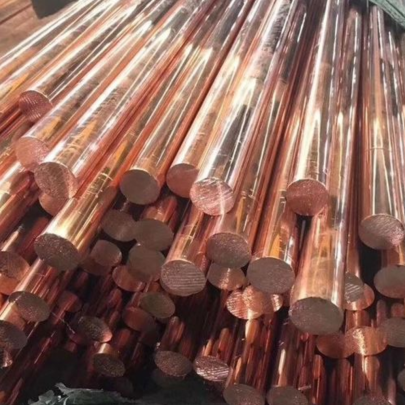
In the context of copper and casting, you might have heard about copper plated steel. This refers to steel that has been coated with a layer of copper, providing enhanced corrosion resistance. While this isn't a direct component of raw copper block fabrication, understanding copper plating can expand your knowledge about copper applications.
Benefits of Copper Plating
- Increased durability against rust and corrosion.
- Improved aesthetic appearance for products.
- Better electrical conductivity compared to regular steel.
Challenges in Copper Block Fabrication
Even with innovations like mould bases, challenges persist in the fabrication of raw copper blocks. Some of the obstacles include:
- High melting point, making casting more complex.
- Expensive raw materials drive up production costs.
- Risk of oxidation which can affect the quality of the final product.
Solutions to Overcome These Challenges
To tackle these challenges, manufacturers must implement:
- Advanced technologies for precise temperature control.
- Efficient sourcing strategies to reduce material costs.
- Protective measures during production to minimize oxidation.
Conclusion
In summary, mould bases have significantly changed the landscape of raw copper block fabrication. By improving accuracy and efficiency in the manufacturing process, they also enable high-quality copper bars with wide-ranging applications. While challenges remain, ongoing innovations in this field promise to further enhance the capabilities of metalworking technology. Understanding these developments not only benefits manufacturers but also sparks curiosity about future possibilities in metallurgy.
FAQs
How do mould bases improve the quality of copper products?
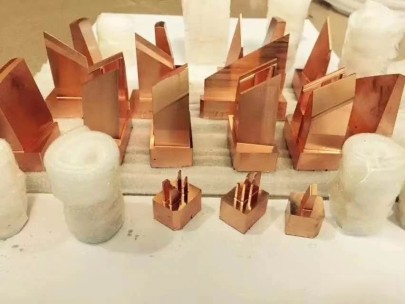
Mould bases ensure that the moulds are stable and accurately positioned, which leads to evenly cast and defect-free copper products.
Can copper plated steel be used in all applications of copper?
Not necessarily; while it provides some benefits of copper, its properties may not match specific requirements needed for certain copper applications.
What basic materials are used in creating mould bases?
Mould bases are typically made from steel or aluminum, chosen for their strength, durability, and heat resistance.
Is the process of copper bar production environmentally friendly?
With the right technologies and practices, copper bar production can be made more sustainable, although challenges like high energy consumption persist.
What are some innovative trends in copper fabrication?
Trends include the adoption of automation, improved recycling methods, and enhanced material treatments to optimize performance.