
Unlocking the Potential of Die Base: The Benefits of Raw Copper Blocks in Manufacturing
Introduction: Understanding Die Base and Its Importance
In the manufacturing world, die bases are essential components used throughout various industries. They not only provide structure but also influence the efficiency and effectiveness of the production process. Among the materials used, raw copper blocks have gained popularity due to their unique properties that optimize manufacturing outcomes. This article explores the myriad advantages of using raw copper blocks in die bases, particularly in the context of tile base molding.
What is a Die Base?
A die base serves as the supporting structure for the die components used in molding processes. It is designed to withstand high pressure and maintain precision throughout production. The quality of a die base directly impacts the quality of the final product, making the material choice crucial.
Key Functions of Die Bases
- Provide stability and support during the molding process
- Ensure precise alignment of die components
- Distribute forces evenly to prevent deformation
Why Choose Raw Copper Blocks?
Raw copper blocks stand out amongst other materials due to their electrical and thermal conductivity, resistance to corrosion, and malleability. This section delves into the specific benefits they offer.
1. Superior Conductivity
One of the defining characteristics of copper is its exceptional thermal and electrical conductivity. This property is crucial for die bases as it enhances heat distribution during the molding process, ensuring that materials set evenly.
2. Durability and Longevity
Raw copper blocks exhibit remarkable durability. They resist wear and tear, which means die bases can operate effectively for longer periods, leading to reduced downtime and maintenance costs.
3. Resistance to Corrosion
In many manufacturing settings, exposure to various chemicals can lead to material degradation. Copper's natural resistance to corrosion ensures that raw copper blocks maintain their integrity even in harsh environments.
4. Easier Machinability
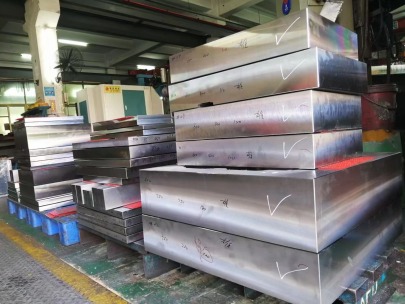
Manufacturers benefit from the malleability of copper; it can be easily shaped into the required dimensions without compromising its physical attributes. This adaptability simplifies the installation and modification of die components.
The Role of Die Bases in Tile Base Molding
Tile base molding is a popular method in the construction industry, notably for flooring applications. The die bases play an integral part in the quality of the finished tiles.
Advantages of Using Copper in Tile Base Molding
- Enhanced surface finish due to smooth molding
- Consistent sizing due to precise alignment capabilities
- Reduced cycle time thanks to effective heat management
How to Install Base Moulding?
Installing base molding may seem daunting, but understanding the process is half the battle. Here’s a simple guide to follow:
- Gather the necessary tools: miter saw, nail gun, level, and measuring tape.
- Measure the walls carefully to determine the length of each molding piece.
- Cut the molding at 45-degree angles for corners using a miter saw.
- Secure the molding to the wall with a nail gun, ensuring it’s level.
- Fill any gaps with caulk and paint to achieve a polished look.
Key Points to Consider When Choosing a Die Base Material
Choosing the appropriate die base material involves careful consideration of several factors:
- Cost-effectiveness: While raw copper blocks may have a higher upfront cost, their longevity and reduced maintenance can yield savings over time.
- Compatibility: Ensure that the chosen material aligns with the specific requirements of the molding process.
- Performance: Investigate how the material performs under pressure and heat.
Challenges and Solutions in Using Raw Copper Blocks
While raw copper blocks present numerous benefits, challenges can arise in their usage as well. These include:
- Oxidation: Regular maintenance is required to prevent discoloration and ensure optimal performance.
- Cost: They can be more expensive than other materials, but the investment often pays off in durability.
Mitigation Strategies
To address these challenges, companies can employ preventative measures such as:
- Regular inspections and maintenance schedules
- Implementing protective coatings to extend the lifespan
Table: Comparison of Die Base Materials
| Material | Conductivity | Durability | Cost |
|---|---|---|---|
| Raw Copper Blocks | High | Excellent | High |
| Aluminum | Medium | Good | Medium |
| Steel | Low | Very Good | Low |
FAQ - Frequently Asked Questions
1. What are the key advantages of using copper in die bases?
Operating with copper allows for better heat distribution, exceptional durability, and corrosion resistance.
2. Can I use copper for all types of molding?
Copper is versatile and effective for many types, especially in tile base molding.
3. How often should I maintain my raw copper die base?
Regular maintenance every few months is recommended to ensure long-lasting performance.
Conclusion
In conclusion, the choice of die base materials significantly influences the manufacturing process, particularly in tile base molding applications. Raw copper blocks provide unmatched benefits, including outstanding conductivity, durability, and corrosion resistance. While challenges exist, proactive maintenance and strategic planning can capitalize on the advantages that copper offers. Investing in high-quality raw copper die bases can ultimately enhance production efficiency and end-product quality, making them a valuable addition to any manufacturing setup.