
Unveiling the Secrets: Does Copper Effectively Block EMF in Mold Base Applications?
As I journey through the complexities of electromagnetic fields (EMF) and their implications on our health and environment, **one question continuously emerges**: does copper effectively block EMF, specifically in mold base applications? In a world saturated with electronic devices, the need to understand **EMF shielding** has become crucial.
Understanding EMF and Its Impact
EMFs are generated by various devices, from smartphones to microwaves. These invisible fields are a concern to some because they might interfere with our biological systems. To grasp whether copper can mitigate these effects, it's essential to understand the nature of EMFs.
- Types of EMF: Extremely low frequency (ELF) and radio-frequency (RF).
- Potential health risks associated with long-term exposure.
- Common sources of EMF in our daily lives.
Does Copper Block EMF? The Science Behind It
To determine if copper is a viable solution, I delved into its properties. Copper is renowned for its conductive capabilities—it's used in various electronic applications because of this. But how does it stand against EMF?
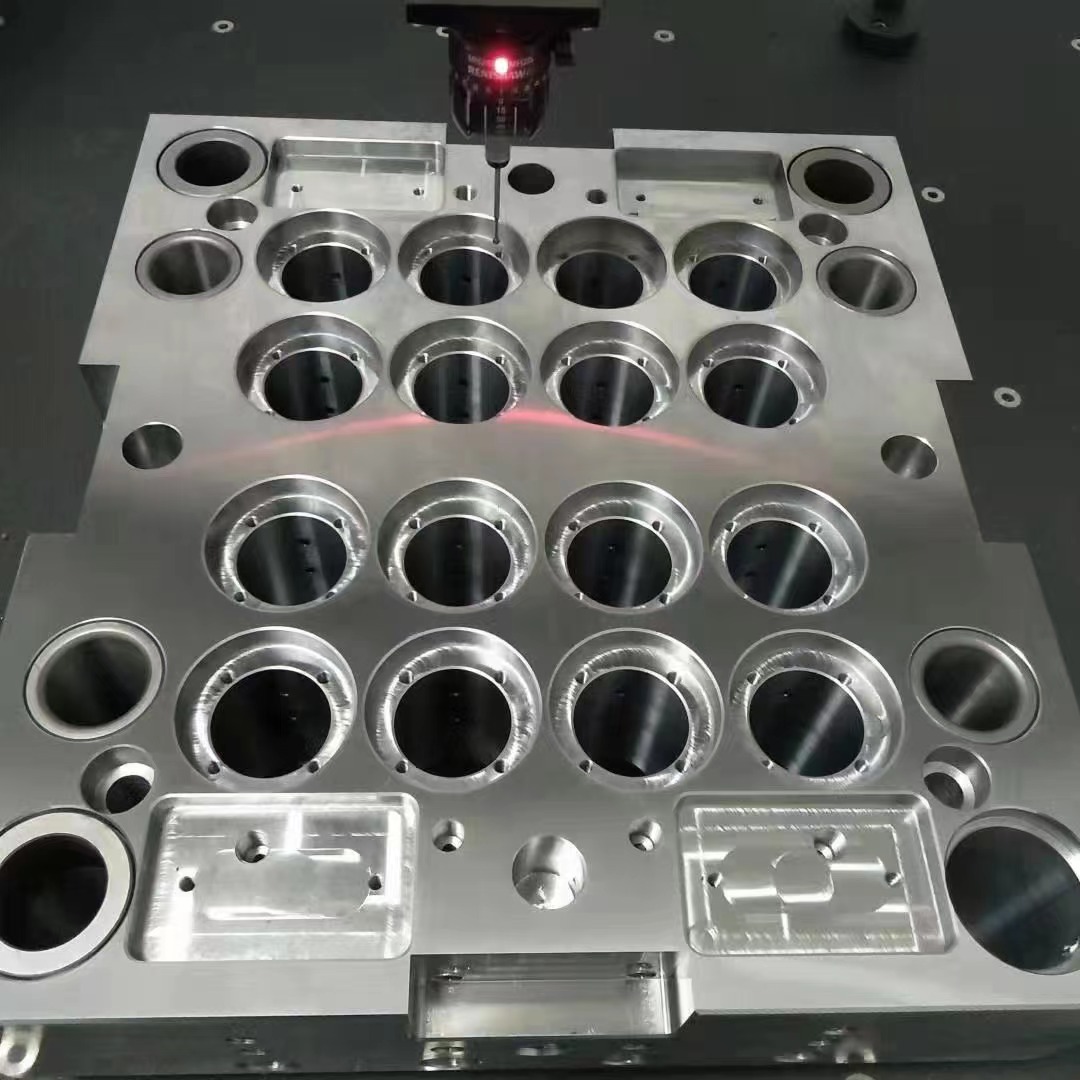
Research suggests that copper has the potential to attenuate EMF signals. This attenuation occurs because copper can reflect and absorb electromagnetic waves, effectively acting as a shield. However, the degree of effectiveness often depends on several factors, such as:
- **Thickness of the copper layer**: Thicker layers tend to block more EMF.
- **Frequency of the EMF**: Different frequencies might interact differently with copper.
- **Distance from the source**: The proximity to radiation sources plays a significant role.
The Application of Copper in Mold Bases
In the context of mold bases, integrating copper for EMF blocking is a fascinating endeavor. **Mold bases** are pivotal in various manufacturing processes, particularly in the automotive and electronics industries. By incorporating copper into these bases, manufacturers could potentially enhance the safety and reliability of their products.
Pros and Cons of Using Copper
| Pros | Cons |
|---|---|
| Excellent conductivity | Costly compared to other materials |
| Effective EMF shielding | Requires specific handling and treatment |
| Durable and long-lasting | Potential oxidation affecting efficacy |
How to Copper Plate at Home
If you've ever asked yourself, **how to copper plate at home?** Here's a simple overview:
- **Gather Materials**: Copper sulfate solution, anodes, and a power source.
- **Preparation**: Clean the item to be plated. This ensures better adhesion.
- **Plating Process**: Submerge the item in the solution connected to a power source.
- **Finish**: Rinse and polish the copper-plated surface.
Analyzing Copper Price Forecast
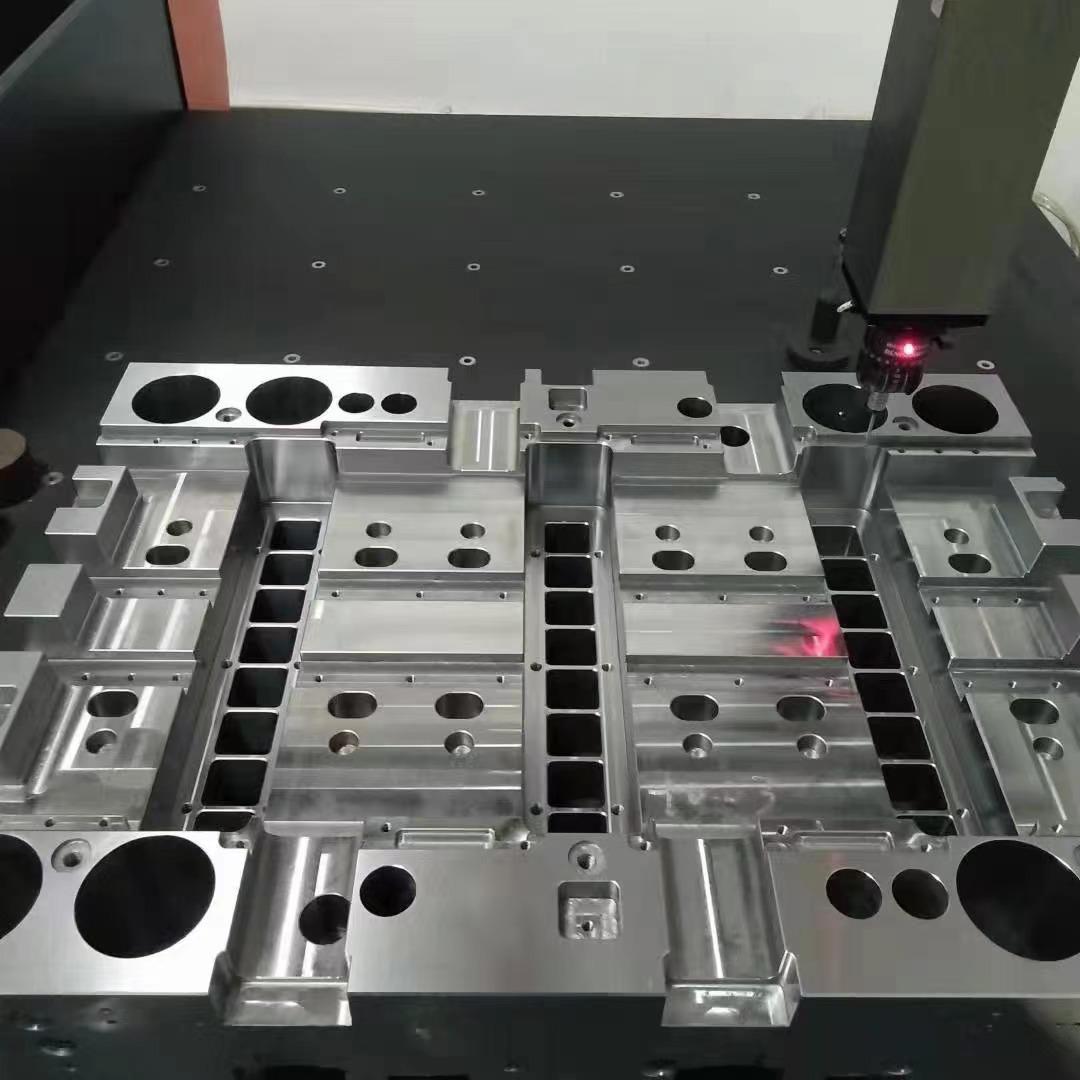
Copper prices are influenced by various factors:
- Global demand and supply fluctuations.
- Technological advancements and innovations in production.
- Economic policies and trade agreements.
Keeping an eye on these factors can help predict potential changes in copper pricing, vital for anyone considering its use in mold base applications.
Conclusion
In summary, copper does exhibit promising potential in blocking EMF, especially within mold base applications. By leveraging its conductive properties, manufacturers might create safer and more efficient products. Nevertheless, it's essential to consider the economic implications and practical challenges associated with copper use. If you're thinking about copper plating at home, remember to follow proper procedures and safety guidelines for the best results. As we navigate through a world surrounded by electronics, understanding materials like copper becomes not just intriguing but essential.