
Does Copper Block EMF? Exploring the Truth About Mould Bases and Electromagnetic Fields
The constant debate about electromagnetic fields (EMF) surrounds us, particularly in technical and scientific discussions. One common question is: does copper block EMF? This article delves into the relationship between copper, its applications in mould bases, and the broader implications for health and safety.
Understanding Electromagnetic Fields (EMF)
Before we answer whether copper can block EMF, it's essential to understand what EMF is. Electromagnetic fields are areas of energy that surround electrical devices. They are produced by devices like power lines, microwaves, cell phones, and even household appliances.
- Electric Field: Caused by voltage.
- Magnetic Field: Generated when an electric current flows.
Many people are concerned about their exposure to these fields, leading us to the question of whether certain materials can provide protection against them.
Copper and Its Properties
Copper is a well-known metal with a high electrical conductivity, making it a popular choice for many electronic applications. One of the critical characteristics of copper is its ability to conduct electricity, which has led many to believe it can block or shield against EMF.
Does Copper Block EMF?
While copper has conductive properties, its effectiveness in blocking EMF is nuanced. Copper does not block EMF entirely but can reflect electromagnetic waves to a degree. This means that copper sheeting could be utilized as a form of shielding material to reduce EMF exposure.
The Role of Mould Bases in EMF Shielding
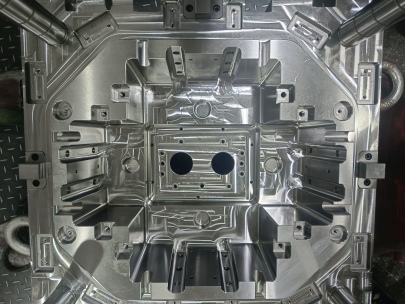
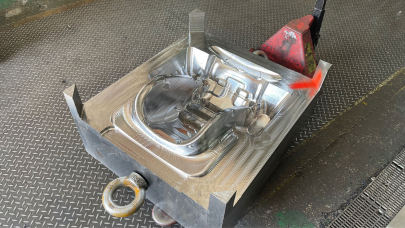
Mould bases are commonly made from various materials, including metals like copper. Their purpose extends beyond simply being a support structure; they can also play a role in EMF shielding. When integrated properly, mould bases can help manage the electromagnetic interference that devices emit. However, the effectiveness largely depends on the specific design and construction of the mould base.
How Copper Sheeting Can Help
Copper sheeting is often applied in constructing mould bases or used as a standalone material for EMF protection. Here’s how it works:
- Reflection: Copper surfaces can reflect a portion of EMF back, thereby minimizing exposure.
- Absorption: In certain configurations, copper can absorb EMF energy, helping to reduce the field strength.
How to Clean Copper Plate
Maintaining the efficiency of copper materials is essential. Here’s a simple guide on how to clean copper plate effectively:
- Mix equal parts of vinegar and salt to create a cleaning paste.
- Apply the paste to the copper surface using a soft cloth.
- Gently scrub the surface until it shines.
- Rinse with warm water and dry thoroughly to prevent tarnishing.
Table: Comparison of EMF Shielding Materials
| Material | Conductivity | EMF Shielding Effectiveness |
|---|---|---|
| Copper | High | Medium to High |
| Aluminum | Medium | Medium |
| Steel | Low | Low to Medium |
Key Points to Remember
- Copper can reflect and absorb EMF, but it doesn't block it entirely.
- Mould bases can be designed to utilize copper for enhanced EMF management.
- Regular cleaning of copper surfaces is vital to maintain its shielding properties.
FAQs
1. Can copper completely block EMF?
No, while copper can reflect and absorb some EMF, it does not provide total blockage.
2. What is the best way to shield against EMF?
The best method typically involves a combination of materials and proper shielding design. Copper sheeting can be part of an effective solution.
3. How often should I clean my copper sheeting?
Regular cleaning every few months is usually sufficient, but it depends on the environment and exposure to tarnishing agents.
Conclusion
In summary, copper has significant potential in blocking and reflecting EMF when used in mould bases and other applications. While it may not completely eliminate EMF exposure, it provides a level of protection that is valuable in our increasingly electronic environment. By understanding the properties of copper and its applications, individuals can make informed decisions regarding their use of copper sheeting and mould bases to mitigate EMF exposure effectively.