
Unlocking the Potential of Die Base: The Ultimate Guide to Tool Steel Plates
Understanding die bases and tool steel plates is crucial for anyone working in manufacturing or machining, especially in Malaysia where the industry is booming. This guide aims to provide comprehensive insights into die bases, their applications, and the potential benefits of using tool steel plates in various projects.
What is a Die Base?
A die base is a foundational component used in the fabrication of dies. Think of it as a sturdy platform where other parts of the die are attached. It's essential for aligning and securing the die, enabling accuracy and efficiency in machining processes.
Importance of Tool Steel Plates
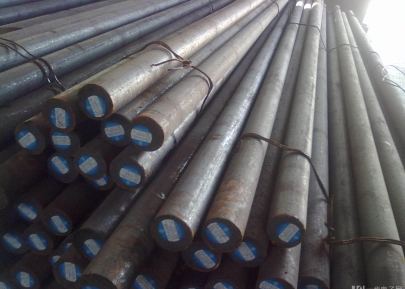
Tool steel plates are crucial in the manufacturing industry, particularly for creating tools, dies, and other precision components. Their unique properties—such as hardness, wear resistance, and the ability to retain a sharp edge—make them an ideal choice for various applications.
Types of Tool Steel Plates
It's important to understand the types of tool steel plates available to make the best choice for your project. Here's a quick breakdown:
- Water-Hardening Steel: Economical and versatile but can warp.
- Cold Work Steel: Best for tools that operate at lower temperatures.
- Hot Work Steel: Designed for tools that function at high temperatures.
- High-Speed Steel: Exceptional cutting efficiency and durability.
Applications of Die Bases in Various Industries
Die bases see usage in a range of industries, including:
- Aerospace
- Automotive
- Electronics
- Construction
Factors to Consider When Choosing a Die Base
When selecting a die base, a few critical elements should guide your decision-making process:
- Material: The strength and durability of the die base material.
- Size: Dimensions must fit the die design.
- Weight: Heavier bases provide stability.
Advantages of Using Tool Steel Plates
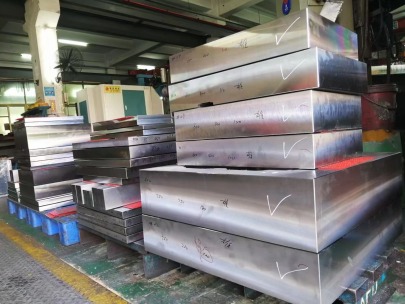
Here are some compelling benefits of tool steel plates:
- High Durability: Withstand extreme conditions.
- Precision: Ensure high-quality components.
- Cost-Effectiveness: Long-lasting materials that reduce overall costs.
How to Enhance Die Base Performance
Enhancing the performance of die bases can be crucial for operational efficiency. Here are some steps to consider:
- Regular Maintenance
- Using Proper Tool Steel Plates
- Incorporating New Technologies
Common Mistakes to Avoid
Many professionals make avoidable mistakes when working with die bases:
- Ignoring Maintenance - Regular checks can prevent bigger issues.
- Overloading - Understand the load capacity to avoid damaging the die base.
- Using Incompatible Materials - Choose the right tool steel plates.
| Material Type | Applications | Benefits |
|---|---|---|
| Water-Hardening Steel | General purpose tools | Economical, decent hardness |
| Cold Work Steel | Sheet metal dies | Good wear resistance |
| High-Speed Steel | Cutting tools | Exceptional wear resistance |
Understanding Vinyl Cove Base Molding
Vinyl Cove Base Molding is often a consideration in tool and die applications. It serves functional and aesthetic purposes in many manufacturing environments. This type of material can help maintain cleanliness and hygiene standards, as it is easier to clean.
Adding Copper to Enhance Performance
By adding more copper to a copper block, you increase its thermal and electrical conductivity. This can be particularly beneficial in applications requiring heat dissipation or electrical conduction. Adjusting the copper content can ground your dies more effectively and elongate their lifespan.
Conclusion
Unlocking the potential of die bases and tool steel plates can significantly improve the performance and longevity of your manufacturing processes. By understanding the materials available, their applications, and the benefits they bring, you can make informed decisions that lead to better operational efficiency.
FAQ
Q: What is the primary function of a die base?
A: A die base serves as a foundation that supports the die and aligns various components during machining processes.
Q: How can I choose the right tool steel plate for my needs?
A: Consider factors such as the specific application, desired hardness, and whether the tool will be used in high or low-temperature environments.
Q: Can vinyl cove base molding improve my workspace?
A: Yes, using vinyl cove base molding can enhance both the functionality and aesthetics of your workspace, promoting better hygiene and cleanliness.