
How Mould Bases Enhance Efficiency: Debunking the Role of Copper Blocks in EMF Reduction
The relationship between mould bases and efficiency in production settings is intricate and often misunderstood. While many believe that copper blocks significantly reduce electromagnetic fields (EMF), recent insights suggest otherwise. In this article, we'll explore the role of mould bases, particularly in the context of Base Cap Molding, and examine whether copper blocks truly play a pivotal role in EMF reduction.
Understanding Mould Bases
Mould bases serve as the foundational support structures in various manufacturing processes, particularly in moulding. When talking about Base Cap Molding, the efficiency of the mould base directly influences the overall productivity and quality of the products. The materials used in these bases can affect heat transfer, durability, and ultimately the cost-effectiveness of production.
Key Features of Mould Bases
- Durability: Mould bases are designed to withstand high pressures and temperatures.
- Heat Conductivity: Materials like aluminum and steel are typically favored for their thermal conductivity.
- Precision Engineering: Mould bases must be crafted with high precision to ensure seamless operation.
What Does Copper Block Do for EMF?
Copper blocks have been a popular choice in various applications for their conductive properties. However, the question arises: do they effectively reduce EMF? While copper does possess properties that can dampen electromagnetic interference, the extent of its usefulness in mould systems is often overstated.
Misconceptions About Copper Blocks
Many misconceptions surround the use of copper in mould bases particularly in relation to reducing EMF:
- **Copper Completely Shields EMF:** Many assume that copper can serve as a flawless shield against EMF. While it can mitigate some levels, it does not entirely eliminate them.
- **Copper Enhances Mould Efficiency:** Although copper blocks may improve electrical conductivity in some systems, they do not necessarily enhance the overall efficiency of mould bases.
- **Cost-Effectiveness of Copper:** The high cost of copper compared to other materials like aluminum raises questions about its practicality in broader applications.
The Role of Base Cap Molding
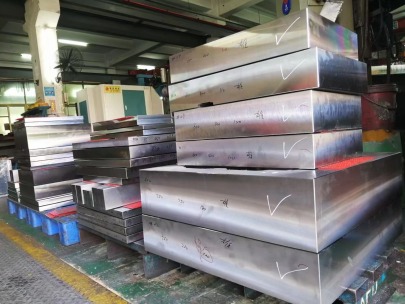
Base Cap Molding involves the design and functionality of mould bases tailored to produce base caps for various products. The efficiency of this process is closely linked to the characteristics of the mould base.
Why Material Choice Matters
When selecting a material for the mould base, several factors come into play:
| Material | Advantages | Disadvantages |
|---|---|---|
| Steel | High strength, durability | Heavier, potential distortion on heating |
| Aluminum | Lightweight, excellent thermal conductivity | Less durable under extreme conditions |
| Copper | Good electrical conductivity | High cost, limited structural strength |
How Effective Are Copper Coil Blocks in Immersive Engineering?
The interest in using copper coil blocks in immersive engineering highlights the interaction between technology and material science. Copper is often selected for its conductivity and is believed to improve EMF conditions.
Benefits of Using Copper Coil Blocks
Although copper blocks have properties that can contribute to various engineering applications, their benefits in EMF reduction specifically remain contested:
- **Conductivity**: Excellent for electrical applications, providing efficient energy transfer.
- **Heat Resistance**: Suitable for high-temperature environments, although still costly.
- **Mechanical Stability**: Offers limited structural support in mould settings compared to heavier metals.
Conclusion: Redefining Efficiency in Mould Bases
In summary, while copper blocks possess unique conductive properties, their effectiveness in reducing EMF in the context of mould bases and Base Cap Molding is less significant than some may think. The choice of material for mould bases should consider durability, heat transfer, and cost-effectiveness rather than overemphasizing the role of copper. As manufacturing processes evolve, understanding the true function of materials will help in optimizing efficiency without succumbing to myths.
FAQ
Is copper necessary for mould bases?
Copper is not necessary for mould bases. While it has its applications, other materials like aluminum and steel may provide better structural support and cost-effectiveness.
Can copper blocks improve EMF significantly?
Copper blocks can help reduce EMF levels, but they do not provide complete protection. Their effectiveness is often overstated in practical applications.
What are the best materials for mould bases?
The best materials for mould bases generally include aluminum for lightweight projects, steel for durability, and specific polymers for specialized applications.