
Why Copper Blocks Are Essential in Mold Base Manufacturing: Unveiling Their Benefits and Applications
In the world of mold base manufacturing, the materials used can make or break the end product's quality. Among the various materials, blocks of copper stand out for their unique properties and significant advantages. This article delves into why copper blocks are indispensable in mold base manufacturing, exploring their benefits, applications, and even touching on related concepts such as Oxide Copper and other specific uses.
The Role of Copper Blocks in Mold Base Manufacturing
Copper blocks play a critical role in the manufacturing of molds. Their thermal conductivity, machinability, and resistance to wear make them a go-to choice. Here are some key advantages:
- Excellent Thermal Conductivity: Copper's ability to conduct heat facilitates quicker cooling cycles and helps achieve uniform temperature distribution within molds.
- Durability: Copper exhibits resistance against corrosion and wear, thereby extending the life of the mold.
- Improved Processing Speeds: The efficient heating and cooling properties enable faster production times.
Applications of Copper Blocks in Mold Bases
Now that we understand their importance, let’s explore how copper blocks are applied within the mold manufacturing industry.
1. Injection Molding
In injection molding, the cooling channels made from copper lead to reduced cycle times and better-quality products. Faster cooling minimizes defects such as warping and sink marks.
2. Die Casting
Copper's thermal conductivity is invaluable in die casting, where even heat distribution helps maintain mold integrity under high temperatures.
3. Aerospace and Automotive Industries
In industries like aerospace, the lightweight and high-strength characteristics of copper molds enable the production of complex components with excellent tolerances.
4. Large Capacity Molds
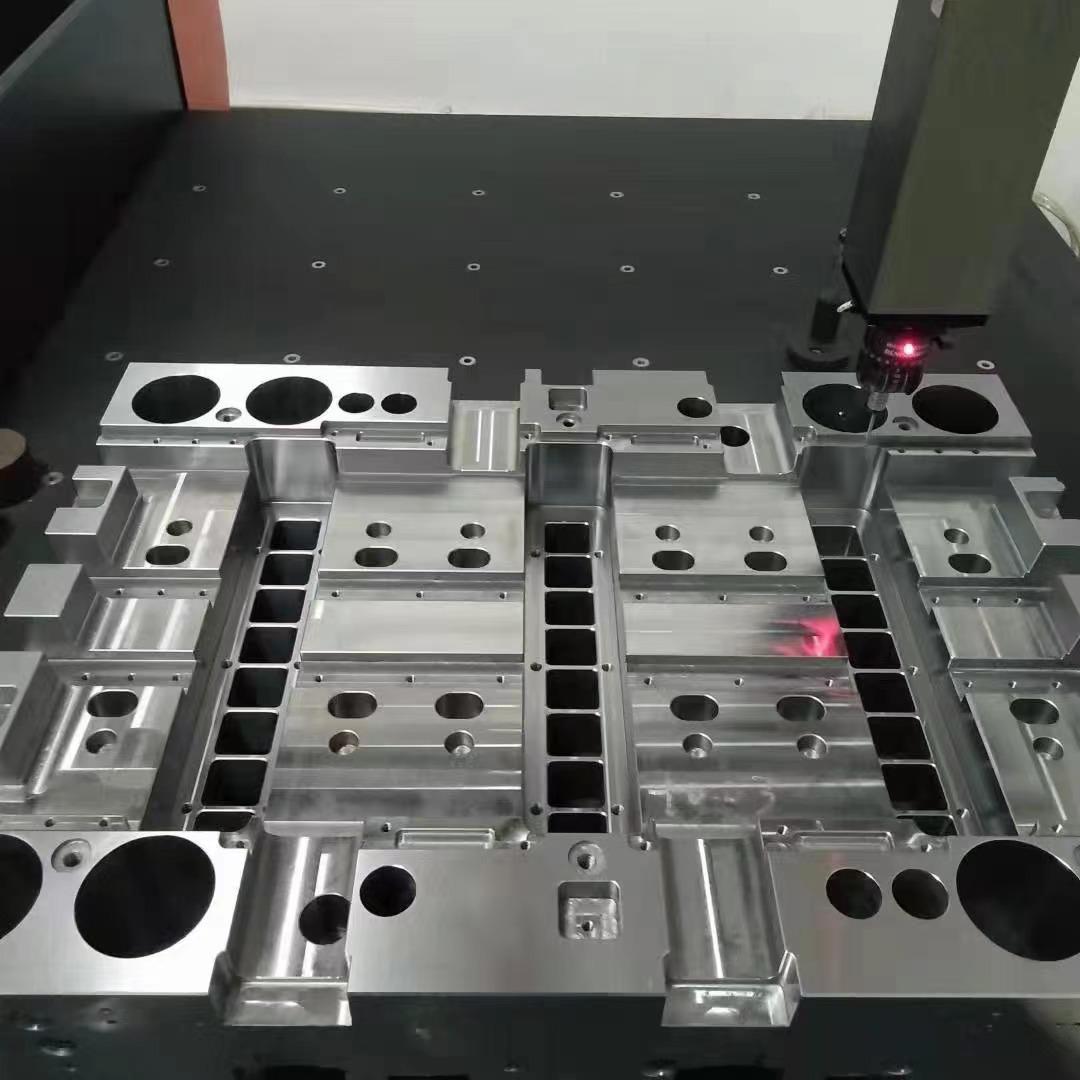
For particularly large molds, such as big block chevy copper head gaskets, the use of copper enhances the performance and reliability of the final product.
Oxide Copper: A Special Mention
While we discuss copper, it's essential to briefly touch on Oxide Copper. This form of copper, often used in protective coatings, offers an extra layer of durability. In mold bases, Oxide Copper can mitigate oxidation effects, prolonging the lifespan and performance of the molds.
Comparative Advantages of Copper vs Other Materials
In a comparative sense, here’s a table highlighting how copper stands out against common alternatives like aluminum and steel:
| Property | Copper | Aluminum | Steel |
|---|---|---|---|
| Thermal Conductivity | Excellent | Good | Medium |
| Corrosion Resistance | High | Medium | Low |
| Weight | Medium | Light | Heavy |
| Cost | High | Low | Medium |
Key Considerations When Choosing Copper Blocks
When selecting copper for mold bases, consider the following aspects:
- Cost vs Performance: Although copper is more expensive, the performance benefits often justify the investment.
- Compatibility: Ensure that copper is suitable for the specific type of molding process you are undertaking.
- Thickness and Size: Larger molds require appropriately sized copper blocks to ensure optimal heat distribution.
Conclusion
In summary, the use of blocks of copper in mold base manufacturing is crucial for achieving high-quality and efficient production processes. The benefits of copper in terms of thermal conductivity, durability, and application versatility cannot be overstated. As industries continue to evolve, prioritizing materials like copper will remain essential for innovation and quality improvements.
FAQs
What are the primary benefits of using copper in mold bases?
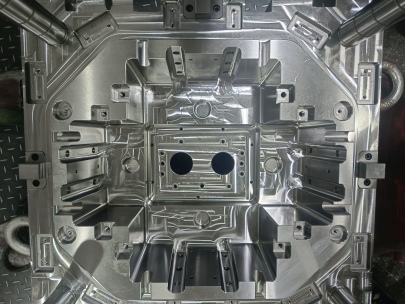
The primary benefits include excellent thermal conductivity, corrosion resistance, and enhanced durability, leading to improved production efficiency.
Is Oxide Copper different from regular copper?
Yes, Oxide Copper has a layer of oxide that provides enhanced protection against oxidation and corrosion, benefiting the lifespan of molds.
Are there any cost-effective alternatives to copper blocks?
While aluminum and steel are cheaper alternatives, they don’t provide the same level of thermal conductivity and durability as copper.
How does the size of the copper block affect performance?
The size and thickness of the copper block directly influence heat distribution and cooling efficiency, which are vital for the mold's performance.
By understanding the significant role of copper blocks in the mold base manufacturing process, industries can make informed decisions that directly impact their operational efficiency and product quality.